

Why I Started Testing Waterproof Bluetooth Speakers
I carry waterproof Bluetooth speakers to soundtrack hikes, beach days, and rainy commutes. I want music without risking my gear.
This diary blends technical notes, field trials, and buying tips from my perspective.
I tested waterproofing, sound, battery, portability, and durability on trails, shorelines, and city rain. My aim is simple: help you pick a rugged speaker that actually survives real outdoor use.
I share honest pros and cons regularly.


First Impressions: Design, Build, and Waterproofing in the Field
Out of the box: weight, materials, and carryability
I judge a speaker in the first five minutes: heft, finish, and how it fits in my pack. Metal grills (like on the JBL Charge 5) feel durable; rubberized shells (Sony SRS?XB33) shrug off scuffs. Cylinders tuck into side pockets better than flat bricks, but flatter designs often strap more comfortably to a bike.
Quick waterproof trials I run
I do three fast checks: splash at a river edge, a ten?minute rain jog, and a shallow dunk (on purpose). IP67 devices survive mud and short submersion; IPX5 handles jets and heavy rain. I also test buttons and charging ports—sealed covers and membrane buttons matter.
Practical, immediate tips
These simple tests tell me whether the rating equals real confidence on the trail.
Sound on the Trail: Volume, Clarity, and Bass Where It Matters
How open air changes everything
Out on a lake or an exposed ridgeline, even a loud speaker can sound thin because sound dissipates. Directional drivers (found in some cylinder designs) cut through narrow canyons better; wide?dispersion speakers like the UE Boom 3 fill campsites but trade punch. I remember the JBL Charge 5 sounding huge at a beach but flatter in a windy meadow.
Mids, bass, and surprising moments
Podcasts came alive on units with forward mids — I could hear every line while others muddied vocals. Passive radiators helped around a campfire: they don’t create deep subwoofer bass, but they add thump that feels right seated on a picnic table.
Quick, usable tips
Battery Life and Connectivity: Real-World Runtime and Pairing Reliability
Real-world runtimes
I log each speaker under moderate outdoor use—streaming at comfortable volume, occasional calls, and standby. The JBL Charge 5 (advertised ~20h) gave me about 16–18 hours; the Anker Soundcore 2 (advertised 24h) ran 16–20 on mixed use. Batteries drop faster with calls, EQ boost, or bass-heavy playlists, so expect 15–20% less than specs on long outings.
Pairing and interference
Pairing was instant on iPhone and most Android phones, slower on older laptops. Multipoint (two-device) support was invaluable on the Bose SoundLink Revolve for switching between phone and tablet. Busy beaches or crowded trailheads caused occasional dropouts on older Bluetooth 4 devices; Bluetooth 5 units handled interference much better.
Charging strategies I use
Next up: how these choices affect what I actually carry on the trail.
Portability and Practicality: Size, Weight, and How I Carry Them
How I carried them
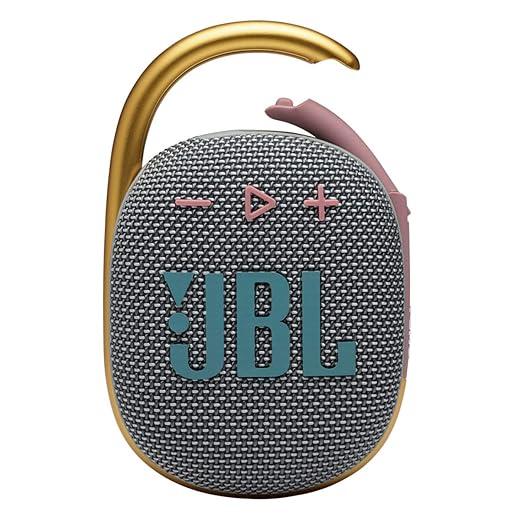
I slip compact speakers into backpack side pockets, clipables on shoulder straps, or inside a picnic basket’s insulated pocket. On bikes I use a threaded bike mount or small bungee; on kayaks I stow speakers under deck bungees with a tether. The ultra-compact JBL Clip-style units became my grab-and-go favorites for day hikes.
Attachment and controls
Carabiners and webbing straps are lifesavers—test that the clip actually locks. Big rubber buttons matter: I pick speakers whose play/pause and volume buttons I can find while wearing gloves. For bike rides, I prefer mounts that keep the speaker forward-facing for sound and access.
Size vs. sound trade-offs
If I need bass and company, I bring a heavier unit (Charge 5 class) and accept extra weight. For solo runs or quick stops, a tiny Clip-style speaker wins every time.
Quick tips
Next: maintenance, cleaning, and when to consider repair or replacement.
Maintenance and Longevity: Cleaning, Storage, and When to Repair or Replace
Daily care routine
After salty or sandy days I rinse speakers in fresh water (briefly), shake out crevices, and blot with a microfiber towel. I pry open rubber flaps, dry with a soft brush or canned air, and let the unit sit upside-down for at least 12–24 hours. Small sand grains hide in seams—a toothbrush is my best field tool.

Corrosion, flaps, and quick fixes
I’ve rescued units with corroded charging pins by cleaning contacts with 90% isopropyl and a cotton swab; torn flaps get temporary seals with waterproof tape until I replace the part. Customer service varies—some brands honor warranty fast, others want proof and shipping photos—so register purchases and keep receipts.
Repair vs replace
Rule of thumb: repair if the cost is under ~50% of a new unit and the driver and housing are intact. Expect 3–5 years of heavy-use life, 5–8 with gentle care. To protect your investment, use tethers, dry bags, and a rinse-after-sea policy before packing.
Next I round up final field notes and overall recommendations.
Final Notes from the Field
I prioritize features that match my usual outings: waterproofing for wet hikes, punchy mids for chatter, and battery life for long trips. I balance sound with portability and follow simple care—drying, gentle cleaning, and smart storage—to extend lifespan.
Use my quick framework: list activity, set sound/size/budget priorities, then test a model where you’ll actually use it. Enjoy your outdoor soundtrack.
Short version: JBL Go 4 is tiny, does okay, but don’t expect to shake a canyon with it. Sound is fine for personal listening, but bass? lol
Also, the “Sound on the Trail” section made me laugh — “where it matters” indeed. I tried dancing with a speaker once and nearly spilled my coffee. ?
Haha — thanks for the laugh, Liam. The Go 4 is definitely for personal use or small groups; don’t bring it if you want party-level bass.
Loved this write-up — really practical and not just tech specs.
I especially appreciated the real-world battery tests under the “Battery Life and Connectivity” section. The Anker Soundcore 2 has been my go-to for weekend hikes, but I’m tempted to try the W-KING 90W for group outings (tho that thing looks huge).
Quick Q: did you ever use the JBL Clip 4 on an actual rainy day? I’m paranoid about charging ports getting gunked up. Great job overall, very readable and honest!
If you worry about gunk, bring a tiny toothbrush and some isopropyl wipes. Saved my JBL more than once ?
Good tip Zoe — I added a short note in the maintenance section about using a soft brush and 70% IPA for stubborn grime.
Agree with Maya — the article’s battery tests were the most useful part for me. The Clip 4 surprised me for how long it goes for its size.
Thanks Maya — yes, I did toss the Clip 4 in a drizzle during one hike. It handled the rain fine but I did hose off the rubber flap around the port afterward and let it dry for a day. Kept working perfectly.
Really enjoyed the maintenance tips — you don’t see enough advice on long-term storage.
Couple of notes from my experience:
– After salty coastal hikes I always rinse speakers lightly and leave them to dry in a shaded, ventilated spot.
– For battery preservation, the article’s suggestion to store at ~50% charge is gold.
– One more: for mini speakers like the JBL Clip 4, be mindful of the clip’s small metal loop — it can scratch lenses or get tangled with cords if you shove it into a bag without a pouch.
Would love to see a future post that ranks these by “best for solo hiker,” “best for group camp,” etc.
Thanks Oliver — that sleeve idea is smart. I’ll include sleeve/pouch recommendations in a follow-up.
+1 on the clip loop — I now use a little fabric sleeve when I toss the Clip 4 in my pack.
Great additions Sophie — I’ll add a small table next time for use-case rankings. The storage advice came from an old camera club tip, and it’s helped my speakers last longer.
Good point Samantha — I’ll mention temperature-related battery quirks in the maintenance section.
Another thought: if you store in cold places, batteries lose capacity temporarily. Let them warm up before charging — saved me once when a speaker wouldn’t wake in the spring.
Pretty balanced review. Quick question — how reliable is Bluetooth pairing on the ANCOON and W-KING? I’ve had some speakers that drop out every few minutes, which is infuriating on trails.
I’ve had drops with bigger speakers when my phone’s pocket blocks the antenna. Try keeping the phone on your pack strap if possible.
Short answer: both were solid for me but the W-KING had marginally better range. The ANCOON occasionally dipped when my phone was deep in a chest pocket and trees were dense.
Honestly, the JBL Clip 4 is my favorite for hiking — clip it to the strap, it’s light, waterproof enough, and you can still get decent playlists going. The article nailed the portability points.
Also, fun fact: I once hung a Clip 4 from a tree branch to act as a makeshift scarecrow for nosy raccoons. Didn’t work, raccoons don’t care about music ?
Would love more on how to carry the larger speakers like the W-KING safely on rough trails.
If you’re worried about theft when camping, keep the bulky speaker inside a covered bin at camp. Less tempting for casual passersby.
Great tip Ethan — bungees are underrated. I’ll include those in packing suggestions.
Raccoons > music, confirmed. Also, for large speakers, use a compression strap or an external bungee to secure them to a pack shelf.
Thanks Nora — I tend to strap larger speakers to my pack’s hip-belt or leave them in the car for rough trails. Noted to expand the ‘How I Carry Them’ section.
Nice diary format — felt like I was tagging along on the trails.
A couple thoughts: if you’re comparing W-KING 90W and ANCOON 80W, could you add more about how they fare on uneven terrain? The W-KING seems beefy, but weight matters when you’re carrying it for miles. Curious about the jobsite speaker’s shock resistance too.
I lugged a big one (not exactly those models) up a 6-mile trail once — regretfully. For me, the sweet spot is something like the JBL Go 4 or Clip 4 for solo hikes.
Thanks Evan — noted. The W-KING is definitely heavy; I usually left it in the car for long hikes and only brought it on group day trips. The ANCOON handled bumps better when strapped to a pack because of its rubberized housing.