

I pit Apple’s smartest smartwatch against Samsung’s sleek challenger — which one actually makes my life easier, and which one surprised me the most.
I Compare Apple Watch Series 9 vs Galaxy Watch 6
When choosing a smartwatch for workouts or everyday life, I compare the Apple Watch Series 9 and the Samsung Galaxy Watch 6 to help you pick the best for fitness, health tracking, battery, design, sensors and value for practical use.
iPhone Essential
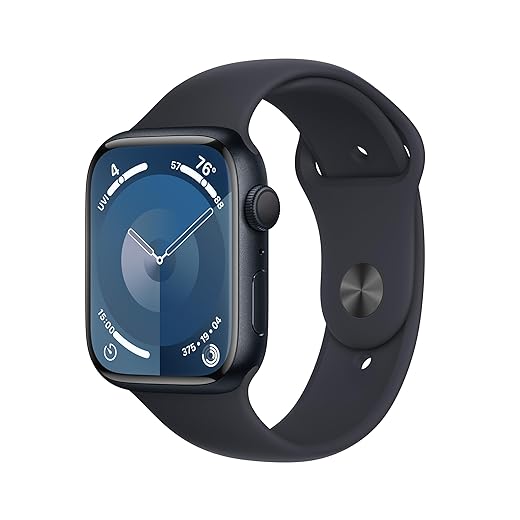
I appreciate how smoothly the interface, health tracking, and iPhone feature set work together — it makes everyday interactions effortless. The display and sensors are top-tier, though I wish the battery stretched longer between charges.
Fitness Focus

I like the Galaxy Watch6 for its fitness-first focus and long battery stretch — it’s a solid daily tracker that gives detailed metrics. While it doesn’t match the Apple ecosystem polish, I find the sensors and value compelling for Android users.
Apple Watch 9
Samsung Watch 6
Apple Watch 9
Samsung Watch 6
Apple Watch 9
Samsung Watch 6
Design, Display, Performance, and Battery
Design & Build
I start with hardware because it shapes daily experience. The Apple Watch Series 9 (45mm GPS) feels premium: the midnight aluminum case and smooth chamfers make it sit confidently on my wrist. Its squared shape gives a larger text canvas and a modern look.


The Galaxy Watch 6 (40mm, renewed Graphite) is smaller and lighter with a classic circular face that will please traditional-watch buyers. Because my unit is renewed, I inspected the band pins and casing closely — cosmetically fine, but renewed devices can show minor wear and may have slightly reduced long-term battery longevity compared with new units.


Display
Apple’s Always?On Retina is extremely bright and renders crisp text—better for reading messages at a glance. Samsung’s AMOLED delivers richer colors and deeper blacks; the round UI looks more like a conventional watch and suits many watch faces. The Series 9’s squared screen shows more lines of text; Watch 6 feels more compact.
Performance
The S9 chip in the Series 9 feels snappier when launching apps and navigating watchOS. The Galaxy Watch 6 handles everyday tasks smoothly and rarely stutters; differences are visible under heavy multitasking.
Battery & Charging
Apple typically requires daily charging with heavy use; I can top it for a usable morning boost during a short charge. The Galaxy Watch 6 frequently reaches into a second day depending on settings and offers quicker short top-ups in my experience. Both are water resistant and comfortable for workouts.
Health, Fitness, Software, Sensors, and Value
Sensors & accuracy
Next I dig into sensors, fitness tracking, and software because they determine health insights and daily usefulness. The Apple Watch Series 9 includes ECG and crash detection, accurate optical heart?rate monitoring, and reliable SpO2 readings with low latency for steady-state measurements. I find its sensors consistent during steady runs and recovery checks.


The Galaxy Watch 6 adds a BIA sensor for body composition, personalized HR zones, and advanced sleep coaching that I find insightful for recovery. Heart?rate reads are accurate for most workouts, though I’ve noticed slight lag during high?intensity interval bursts.


Fitness, GPS, and long sessions
GPS performance is solid on both—route accuracy depends on surroundings. I noticed slight differences in pace smoothing and GPS lock times; Series 9 feels marginally quicker to lock, Watch 6 steadier on long outings. For multi-hour workouts the Watch 6’s battery advantage is meaningful; Series 9 maintains higher sampling rates but needs more frequent top?ups.
Software & daily use
watchOS delivers polished third?party apps, seamless iPhone integration, and richer safety features. Wear OS on the Galaxy (renewed unit) gives Android flexibility, great Samsung Health metrics, and useful quick replies.
Value and who I recommend
Feature Comparison
Final Verdict
I pick by phone ecosystem and priorities. For iPhone I choose Apple Watch Series 9 for integration, apps, and safety.
For Android I choose the Galaxy Watch 6 for metrics, battery life, and superior value today — clear winner now.
Nice breakdown — thanks for doing the side-by-side!
My quick take after wearing both for a week each: Series 9 feels smoother (that Always-On Retina is gorgeous) and the ECG/apple-health ecosystem is super convenient if you use an iPhone. The Galaxy Watch 6 has the BIA sensor which is cool for body composition, and the advanced sleep coaching actually nailed my weird sleep schedule.
Two things that matter to me: battery life (Galaxy lasted longer between charges) and size — 45mm vs 40mm is noticeable on smaller wrists. Also the Samsung unit being Renewed made me double-check warranty info. ?
Anyone else notice the Galaxy’s step counting seems a hair more generous? Or is that just me being competitive with myself lol.
Glad it helped, Liam — thanks for the hands-on notes. A couple quick clarifications: the Series 9’s integration with ECG and Apple Health tends to be more seamless on iPhone (notifications, third?party app sync). For the Renewed Galaxy, warranty/return policies depend on the seller — I’ll update the post with common warranty expectations for renewed units. ?
Yep — I noticed the same about step counts. Samsung seems to treat brisk movement a bit more generously. Also, battery life differences can depend a lot on always-on display settings and which sensors you keep enabled.
45mm on a small wrist = fashion crime ? But seriously, I swapped bands and it helped. Pro tip: cheaper aftermarket bands can make the big watch wearable without spending Apple prices.
Good comparison post. A couple extra notes from my side:
– Renewed Galaxy Watch 6 saved me ~$150, but I made sure it was CA-certified seller with 90-day return/warranty. Important!
– Battery: Galaxy easily gives me 2 days with sleep tracking on; Series 9 is more like 1-1.5 depending on usage.
– Fitness tracking: both solid. If you want best-in-class integration with iPhone workouts and third-party apps, go Series 9. If you want multi-day battery and slightly cheaper hardware, Galaxy is the move.
Anyone else worried about long-term software updates on renewed devices?
Great practical tips, Marcus. On software updates: renewed devices receive the same OS updates as new units generally, but that can depend on if the watch’s serial/model is eligible. Buying from reputable sellers (refurbished by manufacturer or certified refurbisher) reduces risk. I’ll add a section on where to buy renewed safely.
Samsung also sells ‘Certified Refurbished’ directly sometimes, which includes warranty. Worth checking before third-party sellers.
Warranties: lol, always read the tiny print. I once got a ‘renewed’ phone with a cracked back — returned it. Stick with sellers that offer at least 30-90 day guarantees.
Another tip: check the battery health on renewed watches if the seller provides it. Some sellers list battery cycles/health and that can tell you if it’s worth buying.
Quick question for the crowd: how is app support on the Galaxy if you have an iPhone? I know Apple Watch is basically stuck to iOS, but some people want to use Samsung watches with iPhones.
Curious because I switch phones a lot and don’t want to lose functionality. Is it worth it to go Apple if you plan to keep jumping between platforms?
I used a Galaxy with an iPhone once — it was fine for basic stuff (notifications, calls), but health data syncing and advanced features were lacking. If you switch back and forth frequently, Apple Watch will give a more consistent experience on iOS.
Short answer: Samsung watches do work with iPhones but with limitations — Samsung Health features, watch app integrations, and some notifications might not be as full-featured as on Android. If you switch platforms often and want full functionality, Apple Watch on iPhone is the smoother experience. If you’re flexible and don’t need deep app integration, Galaxy still works.
Okay real talk: ECG vs BIA — one beeps and gives you a heart read, the other tells you your body fat like some futuristic scale. Which is more useful? I feel like BIA is kinda gimmicky unless you’re using it weekly as part of a program.
Also, love that Apple flex with the display and Siri, but I get tired of paying Apple tax for minor things. Samsung seems more practical.
PS: Do people actually use the ECG regularly or only when their chest does something weird? Asking for a friend.
I use ECG only when I feel off. If you’re generally healthy it’s a nice safety net, not a daily must-have.
BIA helped me stay motivated ???? Seeing small fat% drops kept me consistent. But I agree, not a medical grade reading.
I check ECG maybe once a month or if my heart races during a workout. BIA I used more often when I was cutting — it helped me see trends rather than precise numbers.
Good question, Jake. BIA is useful for tracking trends (body composition changes over time) but it’s less accurate than DEXA scans — still fine for general monitoring. ECG is more of a safety/diagnostic tool — many users only use it occasionally or when they feel palpitations, but it can detect AFib patterns that are worth discussing with a doctor.
Also worth noting: Series 9’s ECG app is FDA-cleared (in supported regions) and will store readings in Health; Samsung’s health monitoring has different certifications depending on market — always check local regulatory info.
Loved the comparison — I went with the Galaxy Watch 6 (renewed) because of price/value. The personalized HR zones and sleep coaching are actually pretty accurate for everyday fitness. Not an iPhone user, so Apple Watch wasn’t an option anyway. No complaints so far — excellent bang for buck ?