
My Live-Gig Secret: Why I Switched to Noise-Isolating In-Ears
I started using noise-isolating in-ears on loud stages and everything changed.
They block stage chaos and give me clarity, control, and ear protection immediately.
I’ll cover how isolation reshaped my sound, how I chose fit and signature, practical setup tips for mixes and hearing safety, plus maintenance and confidence tricks.
Today.
How Noise Isolation Transformed My Stage Sound
The moment it clicked
I remember the set at a packed club where the drum kit and bass were bleeding into my vocals so badly I couldn’t hear pitch or subtle phrasing. I slipped in my in-ears mid-song and—instantly—the wash of stage noise retreated. My guitar sat forward in the mix, my voice became present without pushing the stage volume higher, and I could actually feel the dynamics of my playing.
What changed and how it helps
Isolation tightened instrument separation and dramatically reduced feedback because monitors no longer had to compete with stage SPL. Subtle dynamics—finger picks, breath control, micro-phrasing—became audible and usable in performance. Practically, that meant I could:
Quick, usable tips I learned onstage
Choosing the Right In-Ears: Fit, Isolation, and Sound Signature
Fit first — comfort wins shows
I always try fit before sonic claims. Universal tips are quick and cheap: foam for deeper seal and isolation, silicone for comfort. If I gig nightly, custom-molded IEMs (Westone, Ultimate Ears, JH Audio) pay off — they stay put, give a predictable seal, and cut stage fatigue. I once swapped to customs mid-tour and never looked back.
Tips and seal = real isolation
Seal quality is what actually blocks chaos. I use three quick checks in a store or at home:
Match signature to your role; drivers matter
For rhythm players, punchy mids and tight lows are key; singers often want forward mids and clear presence. Single-driver IEMs can be musical and forgiving; multi-driver hybrids (BA + dynamic) usually offer more clarity and separation but need good tuning.
Practical trade-offs: wired vs wireless, budget vs longevity
Wired setups are rock-solid; if you go wireless, choose reliable transmitters and redundancy. Budget IEMs like the KZ line are excellent starters; invest in customs or high-end models if isolation and long-term comfort matter to you. Next, I’ll walk through my onstage setup to get the mix right and protect my hearing.
Practical Setup for Live Gigs: Getting the Mix and Protecting My Hearing
Dedicated monitor mix and clear communication
I always ask for a dedicated monitor mix—no surprises from the house PA. Before we start, I give the tech short, concrete instructions: “Vocals +2, click -6, kick +1,” or “Pull back cymbals 3 dB.” That shorthand saves time and prevents chasing levels mid-song.
Using ambience and talkback wisely
When I want stage feel I add a low-level ambient mic or ask for a bleed channel of the room. A touch of crowd/room at -10 to -15 dB gives me presence without drowning the isolation. I use the talkback mic for quick cues between songs.
Hearing-safety habits and hardware
I aim for an average in-ear level around 80–85 dB SPL, watching for peaks under ~95 dB. I run an inline limiter or use IEMs with built-in limiters when available; simple inline volume controls (Shure A15DC, EarPeace regulators, or small attenuators) are lifesavers. I always pack:
Fast soundcheck routine
My soundcheck checklist: start quiet, verify seal (clap/sing), dial the core blend (vocals/drums/bass), lock EQ, then raise to performance level for a minute to test peaks. That workflow gets a dependable mix fast and keeps my ears intact—next I’ll cover maintenance and troubleshooting to keep this setup gig-ready.
Real-World Tips: Maintenance, Troubleshooting, and Onstage Confidence
Daily maintenance (keep isolation reliable)
I clean my IEMs after every gig: remove tips, wipe shells with a damp microfiber, and clear wax guards with a soft brush or the tool that came with the buds. I rotate tips—Comply foams for snug gigs, silicone for quick swaps—and replace them every 3–6 months or sooner if they lose shape. Cable care is simple: coil gently (no tight knots), secure with a Velcro strap, and store in a hard case (Pelican-style) to avoid crushed connectors. I also carry a small parts kit: extra tips, a cable, and a 1/4″ adapter.
Troubleshooting fast (mid-set fixes)
Onstage confidence (why these habits matter)
Consistent isolation eliminated surprise volume changes and cut fatigue—my timing tightened and I stopped leaning into the wedge to hear myself. Small rituals (seal check during tuning, quick tip-swap warmup) made in-ears feel routine, not risky—so I show up calm and locked-in, ready to play.
Next, I’ll wrap up with my bottom line on why I never play live without them.
My Bottom Line: Why I Never Play Live Without Them
I sum up the core benefits: clarity, control and long-term hearing protection. Proper fit and real-world testing are essential—don’t buy blind. Try them at a rehearsal, adjust mixes, and treat in-ears as an investment in better performances and healthier ears. I never play without mine; you might find they change your stage life too and protect my ears for life.
Related
Share : facebook.com twitter.com linkedin.com
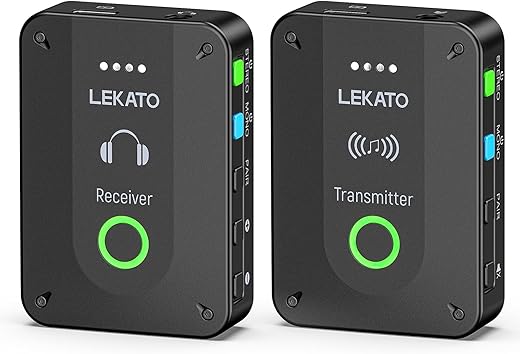
Nice read — I made the jump to in-ears last year and the difference is wild. I went wireless with something like the LEKATO MS-02 for gigs and the low-latency thing actually matters when you’re running click/backing tracks.
Question: did you find the LEKATO’s battery life enough for long sets? And how do you compare its sound versus wired Shure SE215? I’ve heard SE215 are way more reliable on stage but wireless is so convenient.
I use SE215 as my backup for every show for exactly that reason — never had a wireless drop during a set, but I don’t trust it 100% during festivals with lots of RF. Also @Ethan, cheap dongles = risky. ?
One more tip: use the SE215 with a balanced arm to reduce cable noise and get a tighter stage mix. If you go wireless, test channels/range before doors open.
Thanks Ethan — I agree, low-latency wireless is a game-changer. For the LEKATO MS-02 I got ~6–7 hours on a full charge with decent volume; I always bring a small power bank or a spare pair of wired earphones just in case. Shure SE215 will beat most wireless units for consistent wired reliability and isolation, but you lose the cable freedom.
Solid article. Quick, practical question: how much does tight isolation affect stage communication? I use Shure SE215 and I sometimes miss cues from bandmates. Do people run ambient mics, talkback channels, or just two mixes (one ambient + direct)? Also, do triple-flange JNSA tips make it harder to hear stage cues?
We use a ‘room’ aux that the drummer can press to hear the crowd or band cues. Works well. Triple-flange = great seal but tough for hearing others. Trade-off.
If you’re frequently missing cues, try lowering the isolation just enough (different tip) or assign one instrument/monitor channel as a cuing channel — your sound person can help set that up quickly.
Great question, Daniel. Most pros run at least one ambient mic and a talkback channel for cues. I usually have two mixes: a tighter personal mix for performance and an ambient/talkback mix at low volume that can be boosted when needed. Triple-flange tips increase isolation, so band cues will be less audible — that’s why ambient mics or short in-ear toggles are helpful.
Long comment incoming — this article hit a lot of things I lived through.
I used to bleed onstage and lose my voice from constantly shouting over monitors.
Switched to KZ ZS10 Pro for a while (insanely cheap for 5 drivers) and learned the hard way about fit: poor seal = no bass + no isolation.
Saved my shows when I tried JNSA triple-flange tips — instant seal. Also keep small alcohol wipes and a tiny soft brush in my gig pouch for daily maintenance.
And yes, Hearprotek plugs are clutch for front-of-house listening days when I don’t NEED a full monitor but want protection.
KZ + JNSA was my combo for months. Note: triple-flange can be uncomfortable for some people on long sets, so keep foam tips as a backup.
Totally agree about the wipes and brush — saved me from a crunchy driver once. Also, try swapping tips mid-set if you feel the seal slipping (fast 10–15s fix).
Good call on comfort — rotation of tips is smart. For long festival days I often use Hearprotek to save my ears between runs and then switch to in-ears for the actual set.
Great breakdown, Maya — really appreciate the maintenance checklist. Triple-flange tips are underrated for deep seals on universals. KZ can be a steal if you don’t mind occasional QC hiccups; always test drivers before a gig.
This article summed up why I don’t play without in-ears anymore.
Before: aching ears, muddy mixes, yelling to hear myself.
After: clarity, consistent levels, and my hearing is way better. The section on Practical Setup was gold — I especially liked the tip about sending a separate ambient mic to the house so you don’t lose crowd feel.
My one worry: how do you balance isolation vs interacting with the crowd? Sometimes I want to take in the room.
Also, maintenance question: anyone tried cleaning solutions that actually revive a clogged SE215 driver without opening it?
For crowd feel: reduce the isolation in the monitor by adding a low-level ambient mic or using mix calls to bring in room during certain songs. Works like a charm. ?
One last tip: if you still want physical feel of the stage, leave a passive floor wedge for tactile feedback while using in-ears for clarity.
If you want room feel without losing clarity, try switching to foam tips for a slightly looser seal on some songs. You’ll get some bleed but also more natural sound.
Regarding cleaning: I use a tiny dab of isopropyl on a Q-tip to clean the mesh gently and then use a soft brush. Don’t shove liquids into the driver — that’s a good way to ruin it.
Happy you found the Practical Setup section useful, Olivia. For interacting with the crowd, I recommend a quick ambient mic on a stand facing the audience and a dedicated aux return — you can crossfade it for parts where you want the room. For cleaning SE215/any IEMs: use the included cleaning tool, compressed air from a distance, and avoid liquid cleaners that push debris deeper.
Lol at people pretending they didn’t miss the stage banter because of in-ears. ????
Serious bit: I had a KZ ZS10 Pro once and it was BEASTLY for the price, but yeah, so finicky with fit. Fell out mid-song once — embarrassing.
Pro tip: get a good over-ear cable retention or tape those cables down!
Happened to me too. I now use earhooks + a little clear tape behind the ear when I’m doing rough stage moves. Not pretty, but it keeps them in.
Haha stage banter is a legit concern. I leave a small ambient mic on and a little crowd in my mix so I stay connected with the room. Also, cable retention and proper mold/fit are essential if you move around a lot.